Puppy Care Guide: Everything You Should Know Before Bringing a Puppy Home
Welcoming a puppy into your home marks the beginning of a lifelong bond filled with loyalty, playfulness, and daily companionship. A puppies is not just a pet—it quickly becomes a family member, a companion, and a source of unconditional love. However, raising a puppies responsibly requires the right information, preparation, and long-term commitment.
At Apna Dog, we believe that informed pet parents raise healthier, happier dogs. This guide is created to help new and experienced dog lovers understand puppy care, popular breeds, nutrition, grooming, and lifestyle needs.
Understanding a Puppy’s Early Life Stages
A puppy dog goes through rapid physical and mental development in the first year of life. Knowing these stages helps you provide better care.
Newborn to 8 Weeks
1. Puppies rely on their mother for nutrition and immunity
2. Early social exposure begins
3. This stage is critical for emotional development
2 to 6 Months
1. Teething begins
2. Energy levels increase
3. Basic training can start
4. Ideal time to introduce puppy starter food
6 to 12 Months
1. Growth stabilizes
2. Adult behavior patterns develop
3. Diet transitions toward adult dog food
Popular Dogs Breeds Loved by Indian Families
Different families prefer different breeds based on lifestyle, space, and activity level. Below are some of the most searched and loved puppies in India.
Golden Retriever Puppies
A golden retriever puppies is known for intelligence, friendliness, and adaptability. Ideal for families with children, this breed thrives on love and interaction.
Labrador Puppies
The labrador puppies is energetic, loyal, and easy to train—perfect for first-time dog owners.
German Shepherd Puppies
Highly intelligent and protective, the german shepherd puppies is often chosen for both family companionship and security.
Husky Puppies
A husky puppies stands out for its striking appearance and playful personality. This breed needs exercise and mental stimulation.
Shih Tzu Puppies
The shih tzu puppies is compact, affectionate, and well-suited for apartment living.
5. Belgian Shepherd Puppies – With its agile body, it is specially used in the army.
Each breed has unique care needs, making breed research essential before adoption.
Cute Dogs & Emotional Bonding
A cute Dogs naturally creates emotional attachment, often referred to as puppy love. While the charm of a fluffy cute puppy dog is irresistible, responsible care is more important than appearance.
Bonding tips:
1. Spend quality time daily
2.Use positive reinforcement
3. Maintain a consistent routine
4. Avoid punishment-based training
Puppy Nutrition: Building a Strong Foundation
Nutrition plays a major role in a puppy’s growth, immunity, and overall health.
Early care reduces risks associated with breed-specific health issues.
Boarding & Care When You’re Away
When travel or emergencies arise, reliable pet boarding services ensure your puppy stays safe, comfortable, and stress-free.
Quality boarding facilities provide:
1. Clean living spaces
2. Supervised playtime
3. Proper feeding schedules
4. Emotional care
Puppy Safety at Home
Puppy-proofing your home is essential.
Safety checklist:
1. Secure electrical wires
2. Keep toxic plants away
3. Store food and medicines safely
4. Provide chew toys to prevent damage
Cultural & Media Influence on Puppies
Interestingly, puppies also appear in popular culture. Searches like puppy Kannada movie reflect how deeply puppies are connected to emotions and storytelling in Indian households.
Why Apna Dog Is a Trusted Resource for Puppy Lovers
Apna Dog is more than a platform—we are a knowledge hub for pet parents.
We help you:
1. Understand breeds
2. Learn proper nutrition
3. Explore grooming and care needs
4. Discover pet services and essentials
5. Access curated recommendations for food, grooming items, and daily-use products for dogs and cats
Our goal is long-term pet wellness—not short-term decisions.
Final Thoughts: Raising a Happy, Healthy Puppy
Raising a puppy is a journey filled with learning, patience, and unconditional love. Whether you’re interested in a golden retriever puppy, a playful beagle puppy, or a confident german shepherd puppy, the foundation of care remains the same—nutrition, training, health, and affection.
With the right knowledge and support, your puppy will grow into a loyal, healthy companion for years to come.
Asked Questions (FAQs)
What should I consider before bringing a puppy home?
Before welcoming a puppy, consider your daily schedule, available space, long-term commitment, and budget for food, healthcare, grooming, and training. Puppies require time, patience, and consistent care to grow into healthy adult dogs.
Which puppy breeds are suitable for first-time dog owners?
Breeds like the Labrador puppy, Golden Retriever puppy, Beagle puppy, and Shih Tzu puppy are often preferred by first-time owners due to their friendly nature, adaptability, and ease of training. However, the right choice depends on your lifestyle and living space.
How do I choose the right puppy for my home?
Choosing the right puppy depends on factors such as home size (apartment or house), family members, activity level, and experience with pets. Small breeds suit compact homes, while medium and large breeds need more space and exercise.
What is the ideal age to bring a puppy home?
Most puppies are ready to join a new home between 6 to 8 weeks of age. At this stage, they are better prepared for socialisation and training while still bonding easily with their new family.
What should I feed a puppy in the early months?
A puppy should be fed age-appropriate puppy starter or puppy food that supports growth, bone strength, and immunity. The diet should be balanced and adjusted as the puppy grows. Always avoid feeding adult dog food to young puppies.
How often does a puppy need veterinary care?
Puppies require regular vet visits for vaccinations, deworming, and general health checks, especially during their first year. Routine checkups help detect health concerns early and ensure proper development.
How much exercise does a puppy need daily?
Exercise needs vary by breed and age. Generally, puppies benefit from short play sessions, light walks, and mental stimulation rather than intense exercise. Over-exercising a growing puppy should be avoided.
Are puppies suitable for families with children?
Yes, many puppies adapt very well to families with children when properly trained and supervised. Teaching children how to interact gently with a puppy is equally important for a positive relationship.
What grooming does a puppy require?
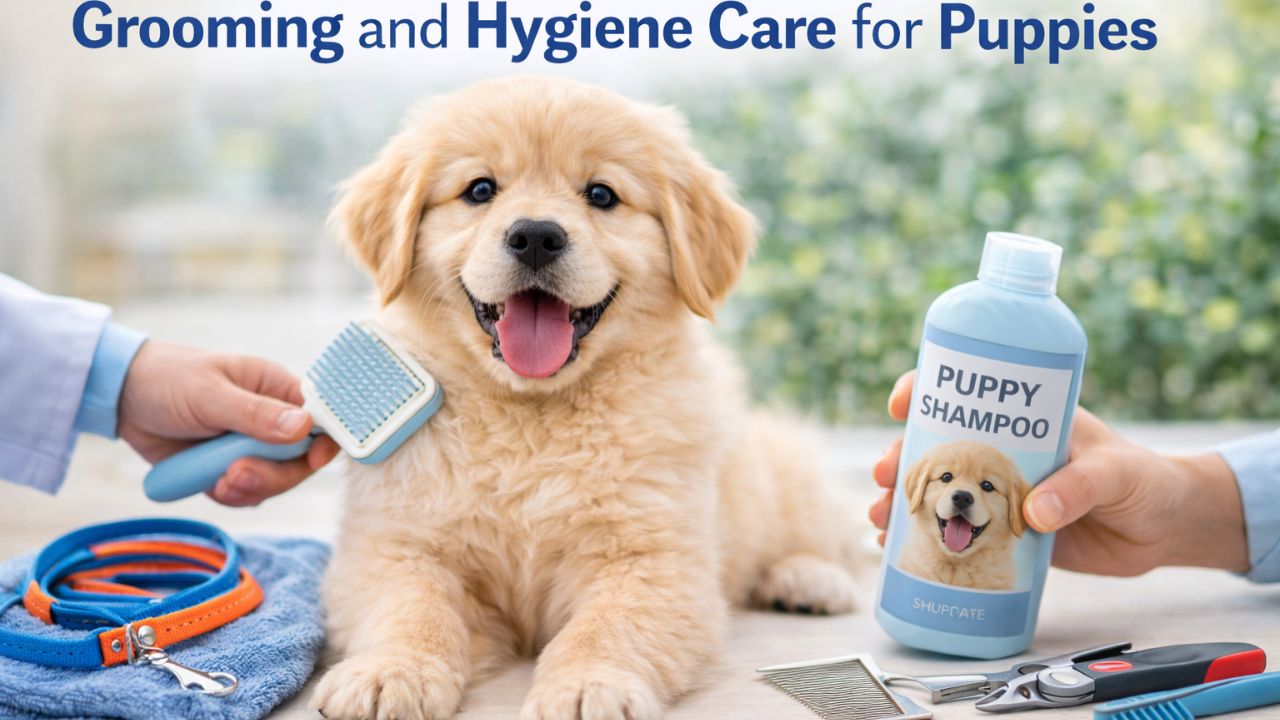
Basic grooming includes brushing, nail trimming, ear cleaning, and occasional baths using puppy-safe shampoo. Grooming needs differ based on coat type, so it’s important to follow a breed-specific routine.
Can puppies stay alone during the day?
Young puppies should not be left alone for long hours. They need companionship, feeding, and bathroom breaks. For busy owners, services like pet boarding or dog walking can help maintain a healthy routine.
How long does it take to train a puppy?
Basic training usually starts immediately and continues for several months. Consistency, positive reinforcement, and patience play a major role. Each puppy learns at a different pace depending on breed and personality.
Should I buy or adopt a puppy?
Both options have their benefits. Buying allows you to choose a specific breed and age, while adoption gives a home to a puppy in need. The best choice depends on your expectations and readiness for responsibility.